
The First National Study of its Kind in Israel The NETA study is a large-scale national academic research project conducted in partnership with leading researchers from several Israeli universities. Its goal is to understand how the security and emotional landscape in Israel impacts young children, parents, and families—and to identify the factors that help children and families cope, adapt, and build resilience.
The study will collect data from over 1,000 families across Israel with children aged 24–48 months, with the aim of establishing a national knowledge base that will help promote better treatment, support, policies, and tailored solutions for young children and families in Israel in the future.
Since the events of October 7th and the subsequent war, many families in Israel have been coping with a persistent reality of stress, uncertainty, routine disruptions, and, at times, direct or indirect exposure to trauma.
In Israel, many children have been growing up for years amidst wars, security tensions, and ongoing stressful events. Yet, to this day, no national research infrastructure has been established in Israel to allow for the systematic, long-term monitoring of the development of young children and their families.
The NETA study is designed to fill this gap by establishing the first national knowledge base of its kind, which will help determine the factors influencing risk, adaptation, and resilience in early childhood.
Precisely during the first years of life, when significant processes in a child's emotional, social, and biological development occur, it is crucial to understand how this reality impacts them—and what can help children and families cope more effectively.

Better understand the impact of war and stress on young children.

Identify factors that strengthen family and developmental resilience.

Develop and enhance more tailored therapeutic, educational, and community interventions.

Support decision-making and the promotion of evidence-based policy.

Assist professionals in their work with children and parents.

Create a national dataset to be used by researchers in Israel and worldwide.

A research assistant will contact you to explain the study, answer questions, and check your eligibility together.
Eligible families who choose to participate will fill out questionnaires regarding the child, parenting, family life, and experiences during the recent period.
We will coordinate a home visit at a time convenient for you, in the familiar home environment of the child. During the visit, short tasks, games, and observations tailored to the child's age will be conducted. Additionally, a small, gentle hair sample will be collected, which helps in studying biological markers associated with long-term stress.
Depending on the study stages, you will be sent additional questionnaires to complete periodically, and an additional home visit may be scheduled.
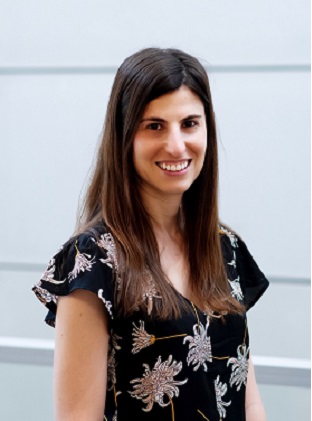
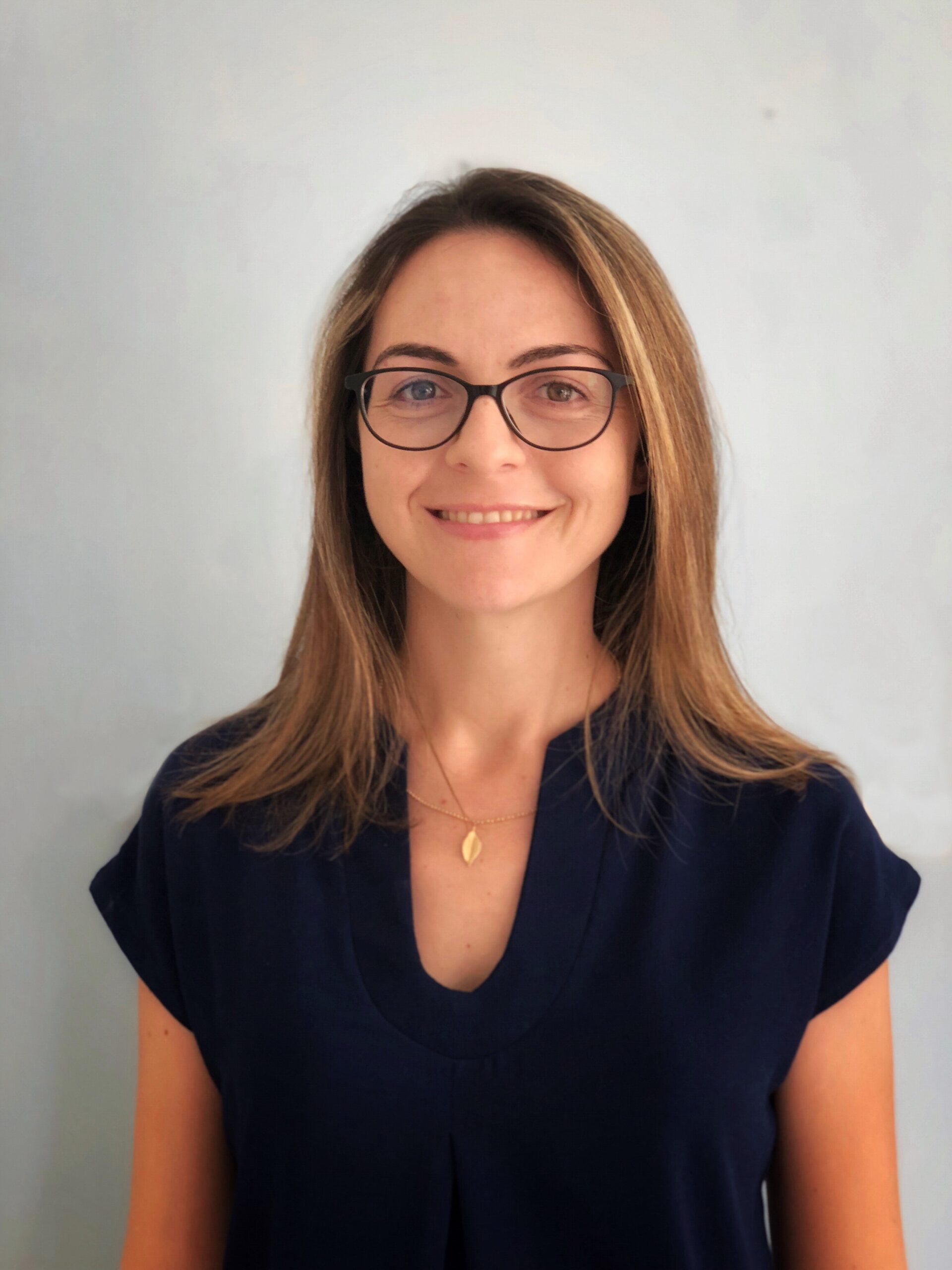
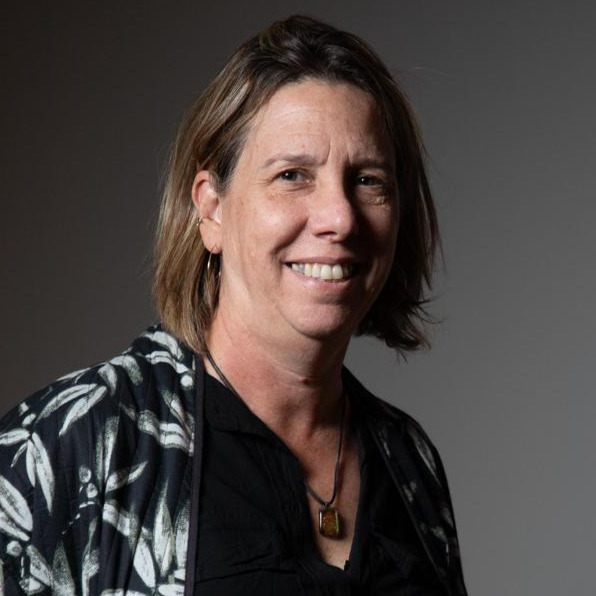
The NETA study is a national, multi-university project based on a collaboration between leading researchers in the fields of child development, psychology, neuroscience, mental health, social work, and education.
The study brings together research teams from several universities in Israel, working together to create a broad, reliable, and meaningful knowledge infrastructure regarding the development of young children and their families in situations of stress, trauma, and resilience.

The Duet Center, Ben-Gurion University
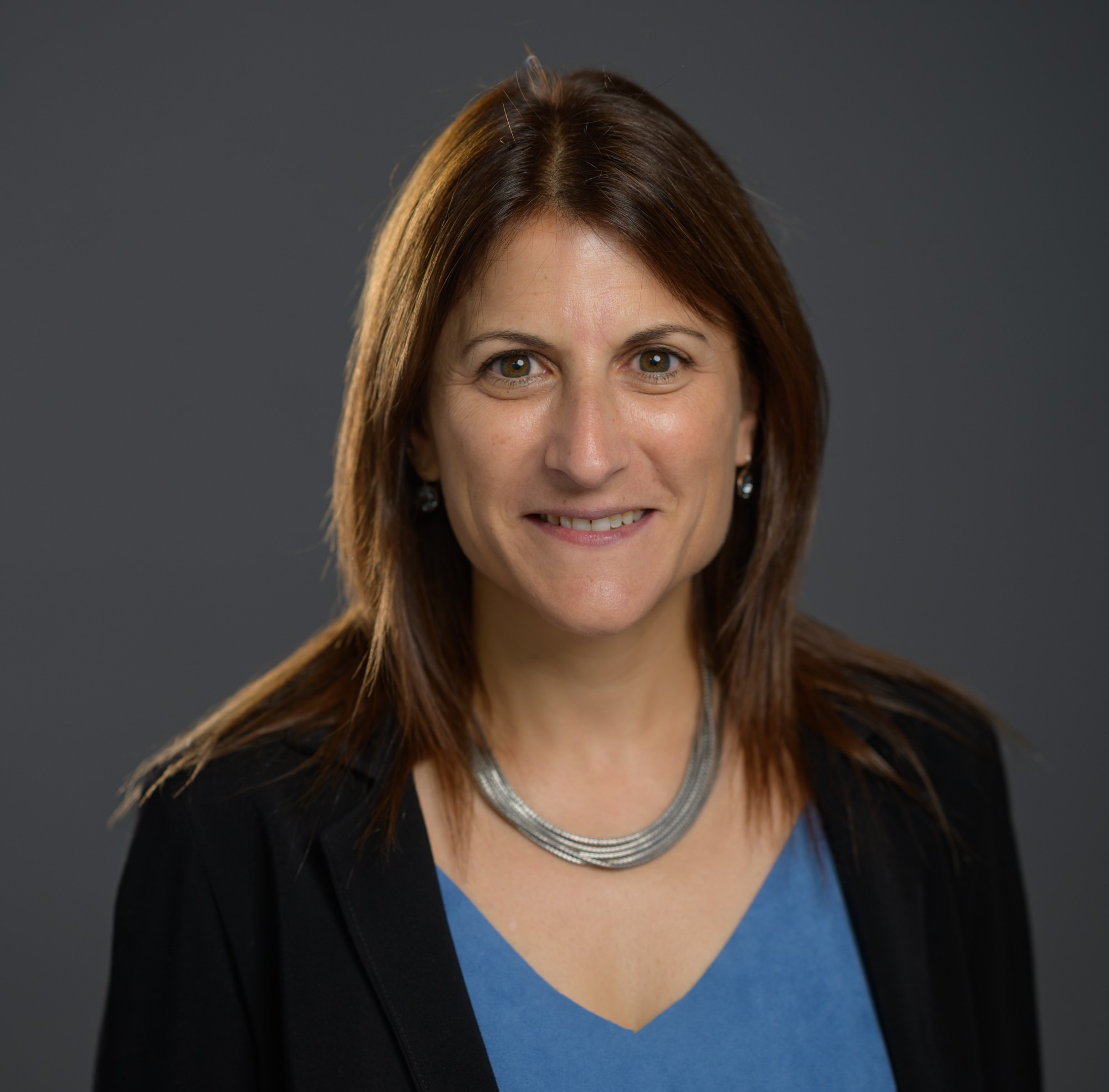
The Duet Center, Ben-Gurion University
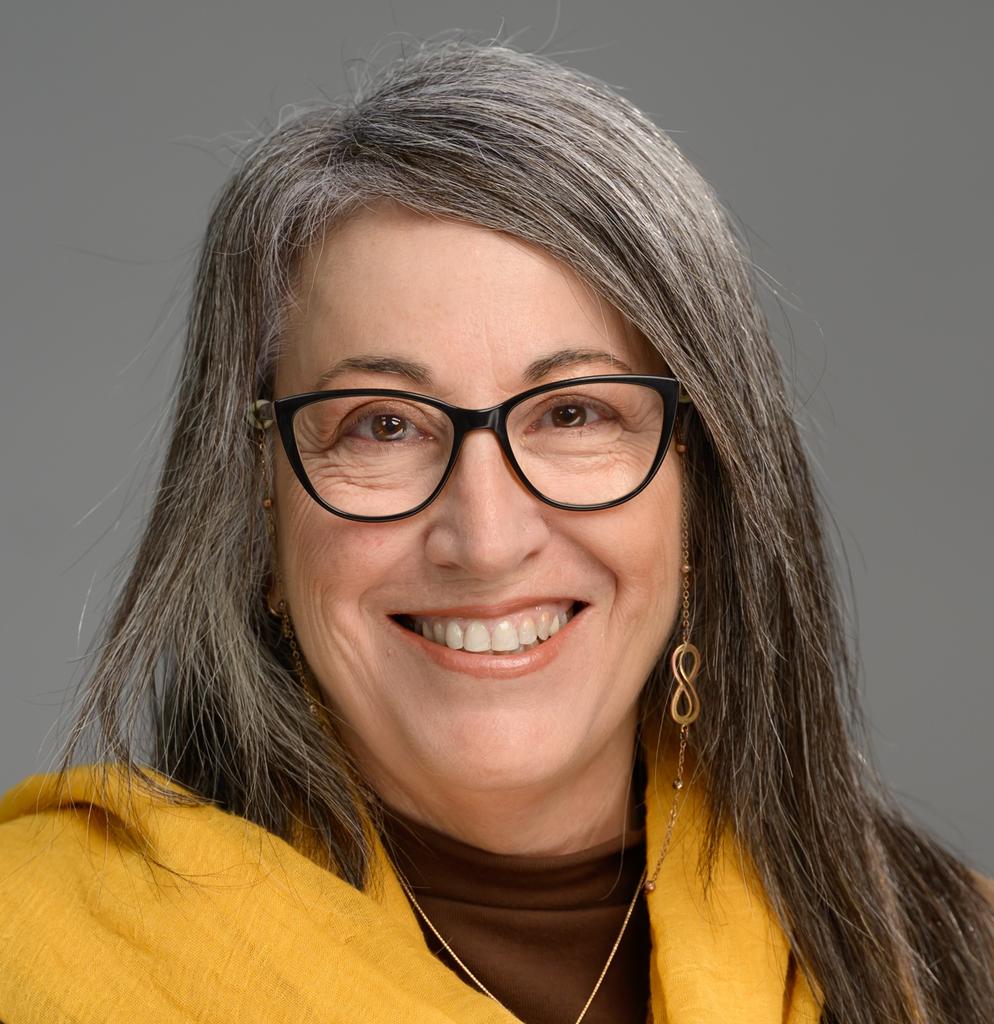
Ben-Gurion University

Ben-Gurion University

Ben-Gurion University

The Hebrew University of Jerusalem

Tel Aviv University

University of Haifa

Reichman University

Technion

National Research Manager, The Duet Center, Ben-Gurion University

Doctoral Candidate, Ben-Gurion University

CEO, The Duet Center, Ben-Gurion University
Manager of the Bio-Empathy Lab
No. Leaving your details is only so the research team can contact you to explain the study and check initial eligibility. The decision to participate will be made only after you have received all the information and had a chance to ask questions.
The home visit is conducted by a trained research team in the child's familiar home environment. The visit will include short, experiential activities, observations, and tasks tailored to the child's age. The goal is to allow for pleasant and natural participation as much as possible, without removing the child from their familiar environment.
Some activities during the home visit will be filmed for research purposes only. Filming allows the research team to learn about interactions, behavior, and responses in a natural and familiar environment. The footage will be kept in accordance with the study's ethics, confidentiality, and privacy rules, and will be used for research purposes only.
Our bodies react to stress; therefore, a small hair sample will be collected, which will help the research team learn about biological markers related to stress processes over time. Unlike tests that measure a momentary state, a hair sample can provide broader information on processes that occurred in the body over a period. This helps us better understand the connection between life experiences, chronic stress, child development, and family/environmental characteristics. The collection is done in a simple, gentle, and fast way by the research team, and will be explained to you in advance. The process is painless and has no visual effect. The sample is used for research purposes only and will be kept in accordance with the study's ethics, confidentiality, and privacy rules.
Yes. All information collected as part of the study will be kept in accordance with the ethics, confidentiality, and privacy rules customary in academic research, and will be used for research purposes only.
No. The study does not constitute treatment, diagnosis, or personal advice. Its purpose is to collect broad research knowledge that will help better understand the development of children and families in Israel.
Data collection is expected to last about two years, and the study as a whole is expected to last about four years. It is possible that additional follow-up stages will take place later, depending on the study framework.
Participating families will receive gift vouchers worth 250 NIS as appreciation for the time, effort, and willingness to take part in the research process. Furthermore, participation is an opportunity to be part of a significant national effort to better understand the children growing up in Israel during an extraordinary period. Every family that participates adds an important piece to the broad picture—helping to create knowledge that will assist in developing more tailored support for children, parents, and professionals in the future. In other words: Your participation is not just a contribution to research—it is a contribution to a deeper understanding of the young generation growing up here and the ability to support them better in the future.
After submitting the form, the research team will contact you, explain the study, check for initial eligibility, and answer your questions. Only then will you decide if you want to participate and receive the first questionnaire to fill out.